The Science of the Click: How to Use an SEO Title Generator for Higher CTR
In 2026, the battle for attention on search engines has reached a critical point. With less than two seconds to capture a user’s attention before they engage with an AI Overview, the importance of crafting compelling titles has never been higher. Standard titles are failing, and the introduction of advanced tools like Vyndow’s AI Title Generator offers a lifeline to marketers and content creators aiming to boost their click-through rate (CTR) and maintain control over their branding. This article explores why traditional titles fall short and how Vyndow’s innovative solution can transform your approach to title creation.
The challenge of “Titlegate” — a scenario where Google replaces over 30% of titles with its own text — underscores the importance of mastering title creation. By understanding the evolving landscape of title optimization and leveraging cutting-edge tools, you can better align your titles with both Google’s ranking algorithms and human psychology.
Understanding CTR as a Ranking Signal
Click-through rate (CTR) has emerged as a crucial ranking signal in the SEO landscape. It represents the percentage of users who click on a search result after seeing it, and a higher CTR often correlates with better rankings. As search engines evolve, they increasingly prioritize user engagement metrics, making CTR an essential component of your SEO strategy.
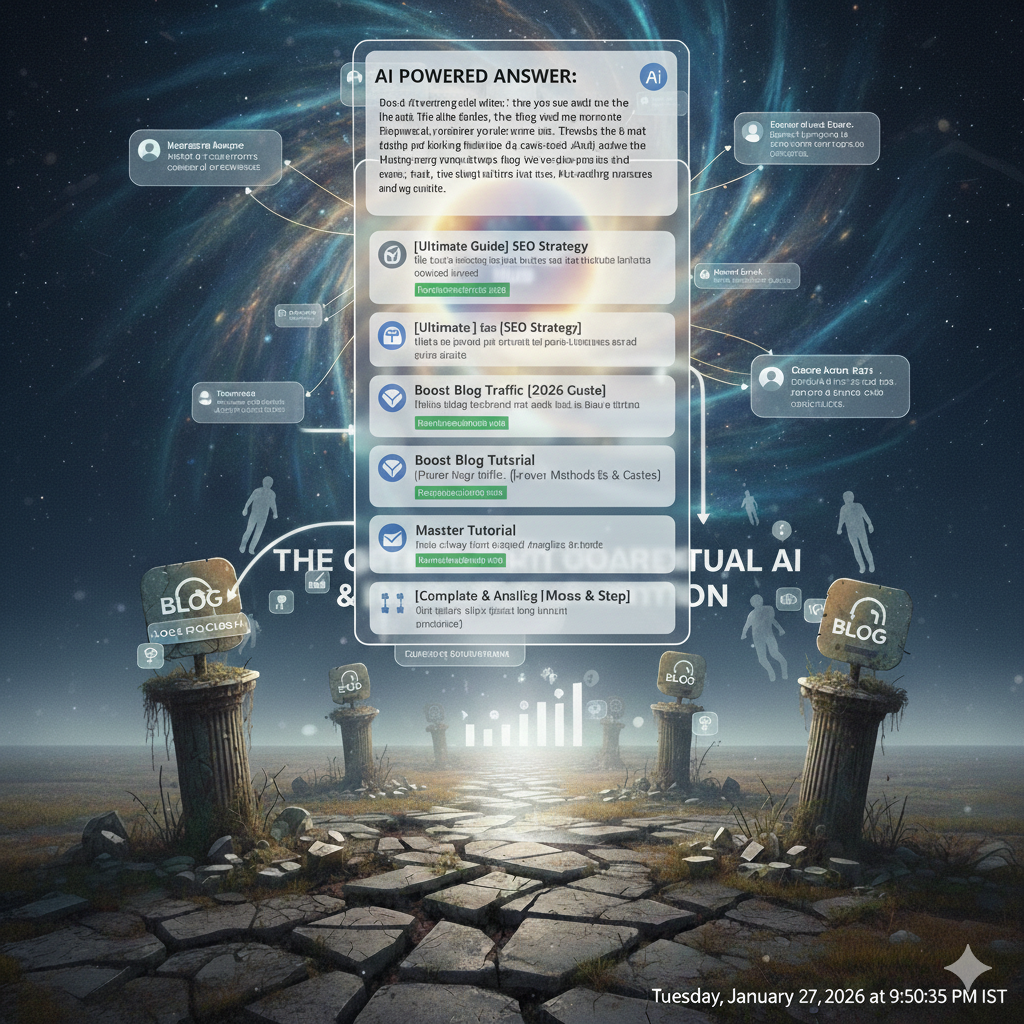
In 2026, the importance of CTR is further magnified by the integration of AI-driven search interfaces. Users are presented with AI Overviews that summarize search results, requiring your titles to stand out in a split second. Failing to capture attention quickly can result in missed opportunities and lower rankings.
To enhance CTR, it’s vital to craft titles that not only appeal to search engines but also resonate with human readers. This involves using strategic elements like emotional triggers, descriptive language, and relevant keywords to encourage clicks.
The “Titlegate” Problem: When Google Rewrites Your Titles
Google’s tendency to rewrite titles has become a significant issue for content creators. Known as the “Titlegate” problem, this occurs when Google alters more than 30% of titles, often to improve relevance or clarity. While Google’s intentions are to enhance user experience, these changes can undermine your branding and dilute your messaging.
The solution lies in aligning your Title Tag with your H1 heading. By ensuring consistency between these elements, you can maintain control over your brand’s voice and messaging. This alignment helps prevent Google’s algorithm from intervening and rewriting your titles.
Moreover, incorporating primary keywords within the first three words of your title is crucial. This front-loading technique not only signals relevance to search engines but also captures the immediate attention of users scanning search results.
The Fix: Aligning Title Tags with H1 Headings
Aligning your Title Tag with your H1 heading is a fundamental strategy for retaining control over your content’s presentation in search results. This synchronization ensures that both elements convey a unified message, reducing the likelihood of Google rewriting your titles.
Consistency between the Title Tag and H1 heading also improves the user experience. When users click on a search result, they expect the content to match the title they saw. Mismatched titles can lead to higher bounce rates and lower engagement, negatively impacting your rankings.
By using Vyndow’s AI Title Generator, you can effortlessly create titles that align with your H1 headings. This tool analyzes your content and suggests optimized titles that maintain your brand identity while satisfying both search engine algorithms and user expectations.
The Power of Brackets & Parentheses
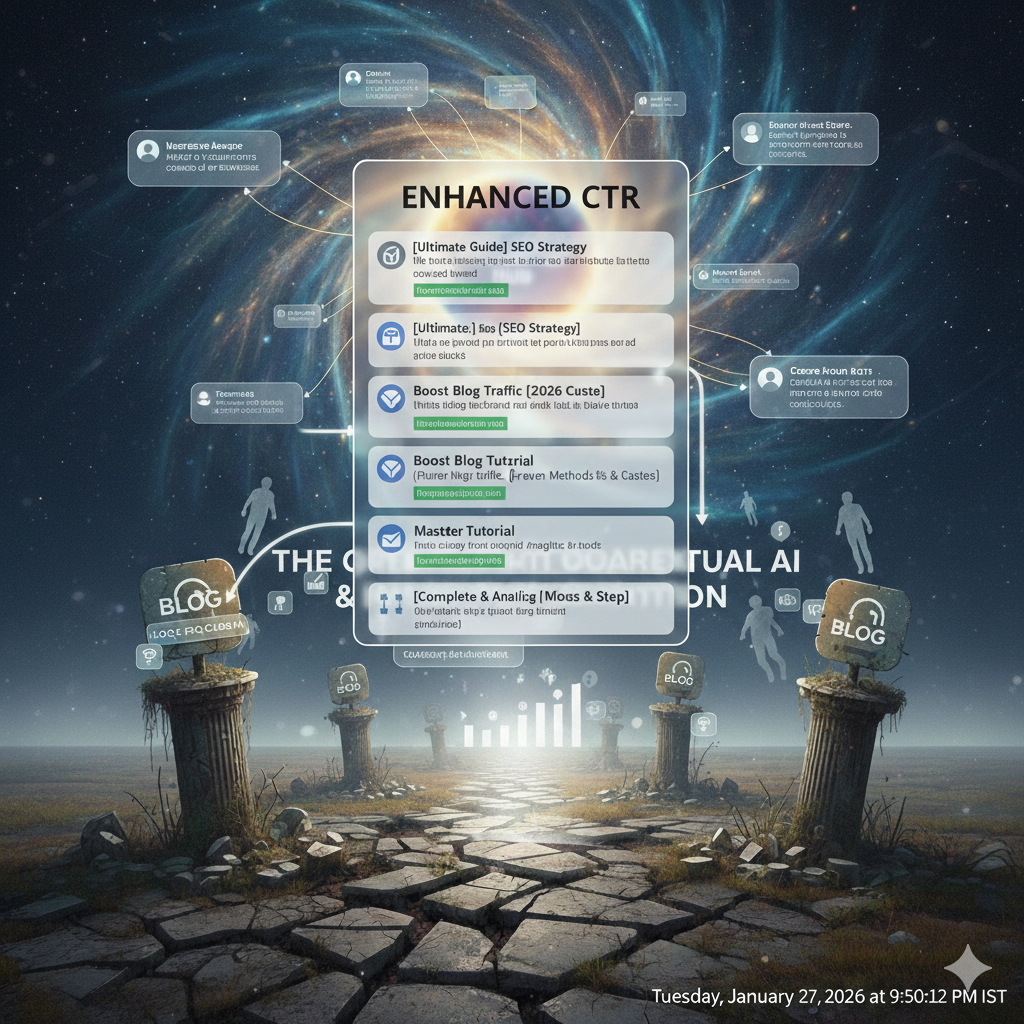
Incorporating brackets and parentheses into your titles is a proven technique for increasing CTR. Studies show that adding elements like (+ Case Study) or (2026 Update) can boost clicks by 15-20%. These additions provide extra context, enticing users to click by promising valuable content.
Brackets and parentheses act as attention-grabbers, highlighting unique aspects of your content. They can convey urgency, exclusivity, or specificity, encouraging users to choose your link over others. For example, a title like “Boost Your SEO: Proven Strategies (+ Case Study)” immediately signals that readers will gain actionable insights.
Using Vyndow’s AI Title Generator, you can seamlessly integrate these elements into your titles. The tool suggests attention-grabbing phrases that enhance your titles without resorting to clickbait, ensuring that users receive the value they expect.
Emotional Triggers vs. Clickbait: Finding the Balance
While emotional triggers can significantly enhance CTR, it’s essential to strike a balance between engaging content and clickbait. Clickbait titles promise more than they deliver, leading to user disappointment and potential damage to your brand’s reputation.
Instead, focus on crafting titles that genuinely reflect the content’s value while appealing to emotions. Use words that evoke curiosity, urgency, or excitement, but ensure that the content lives up to the promise. For example, a title like “Unlock the Secrets of High CTR: Proven Strategies Inside” creates intrigue without misleading the reader.
Vyndow’s AI Title Generator excels at generating “Battle-Tested” variations by analyzing the top 10 competitors. By offering five optimized title options, the tool helps you select the most effective title without compromising your brand’s integrity.
Feature Highlight: The “Pixel-Perfect” Preview
One of Vyndow’s standout features is the “Pixel-Perfect” preview, which ensures that your titles aren’t truncated on mobile devices. With the majority of searches occurring on mobile, it’s crucial that your titles display correctly and convey the full message.
The “Pixel-Perfect” preview allows you to see exactly how your title will appear in search results, preventing truncation and ensuring maximum visibility. By optimizing for mobile display, you can maintain a professional appearance and avoid losing clicks due to incomplete titles.
This feature empowers you to craft titles with confidence, knowing that your message will reach your audience intact. By using Vyndow’s AI Title Generator, you can create pixel-perfect titles that enhance both your CTR and brand perception.
Conclusion: Small Tweaks, Big ROI
In the competitive landscape of 2026, small tweaks to your title strategy can yield significant returns. A mere 1% increase in CTR can translate into thousands of dollars in additional revenue, making title optimization the highest ROI task in SEO.
By leveraging Vyndow’s AI Title Generator, you can create titles that align with Google’s algorithms and resonate with human psychology. From aligning Title Tags with H1 headings to incorporating emotional triggers and ensuring pixel-perfect previews, each element contributes to a comprehensive title strategy.
As you navigate the complexities of SEO in 2026, remember that the right tools can make all the difference. With Vyndow’s full-stack AI capabilities, you can eliminate friction between creation and ranking, ensuring your content reaches its full potential.
Further reading:
FAQ Schema — Enhance understanding of FAQ schema
FAQ
Q. Why are standard titles failing in 2026?
A. In 2026, standard titles often fail because they don’t capture user attention quickly enough. With AI Overviews summarizing search results, titles must stand out immediately to win clicks. Standard titles lack the emotional triggers and strategic elements needed to engage both search engines and human readers effectively.
Q. How does Vyndow’s AI Title Generator help with title optimization?
A. Vyndow’s AI Title Generator helps by providing optimized titles that align with Google’s algorithms and human psychology. It offers features like the “Pixel-Perfect” preview to ensure titles aren’t truncated on mobile devices and suggests attention-grabbing phrases to enhance CTR without resorting to clickbait.
Q. What is the “Titlegate” problem?
A. The “Titlegate” problem refers to Google’s tendency to rewrite over 30% of titles to improve relevance or clarity. This can undermine branding and messaging. Aligning your Title Tag with your H1 heading helps maintain control over your titles and reduces the likelihood of Google intervening.
Q. What role do brackets and parentheses play in titles?
A. Brackets and parentheses can significantly increase CTR by providing additional context and enticing users with promises of valuable content. They act as attention-grabbers, highlighting unique aspects of your content. Adding elements like “(+ Case Study)” or “(2026 Update)” can boost clicks by 15-20%.
Q. How can emotional triggers be used without resorting to clickbait?
A. Emotional triggers can enhance CTR by evoking curiosity, urgency, or excitement. However, it’s crucial to ensure that the content delivers on its promise to avoid disappointing users. Vyndow’s AI Title Generator helps craft titles that genuinely reflect the content’s value while appealing to emotions.
{ “@context”: “https://schema.org”, “@type”: “BlogPosting”, “headline”: “Maximizing CTR with an SEO Title Generator”, “description”: “Learn to use SEO title generators to enhance CTR and maintain branding control in 2026.”, “mainEntityOfPage”: “https://vyndow.com/blog/boost-ctr-with-seo-title-generators”, “author”: { “@type”: “Organization”, “name”: “Vyndow SEO” }, “publisher”: { “@type”: “Organization”, “name”: “Vyndow SEO” } }